The Beginner's Guide to Pickleball
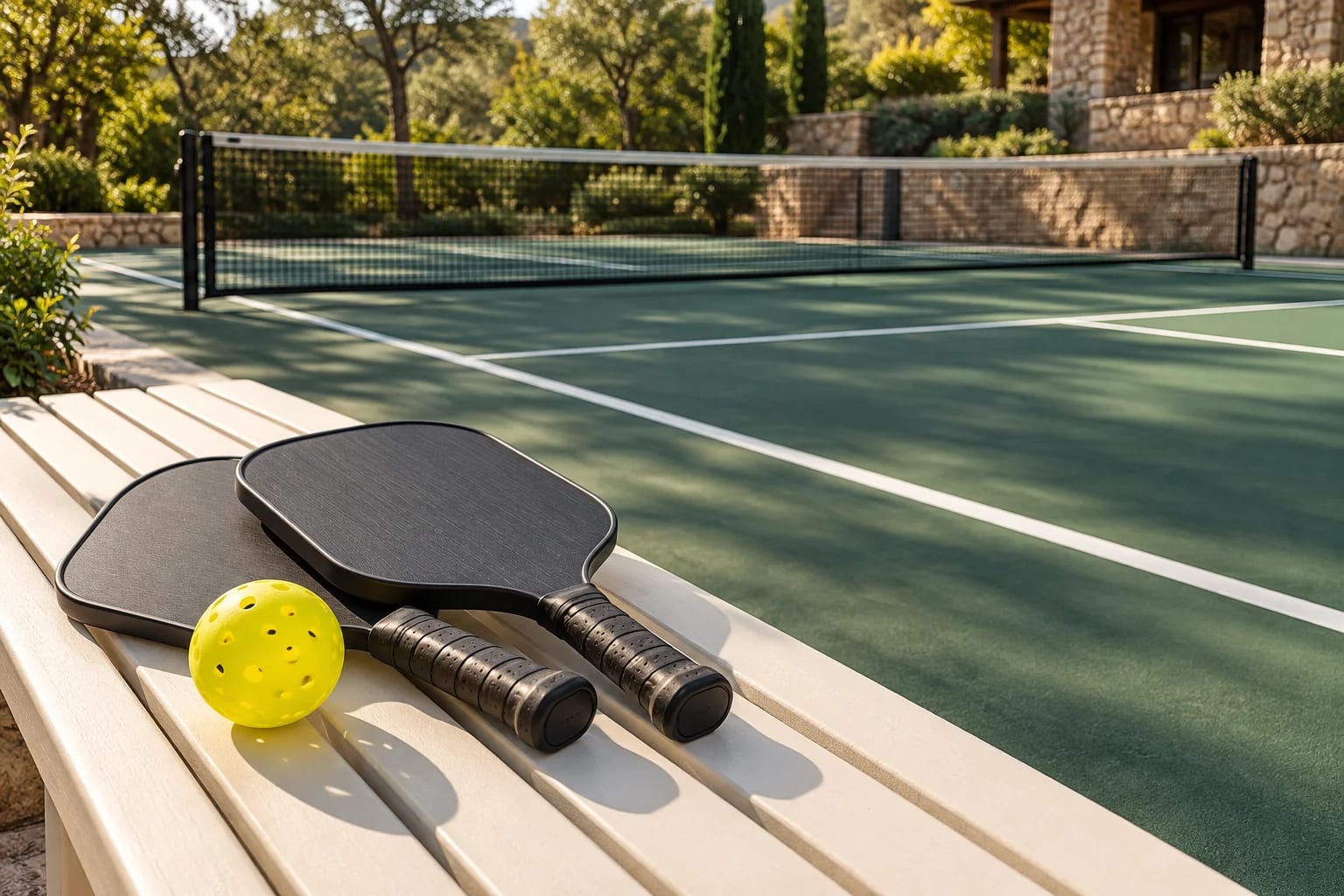
Pickleball is easy to learn and surprisingly deep. This guide covers equipment, the kitchen rule, and how to find your first game on Rally.
Pickleball is the sport that defies first impressions. The name is silly, the paddle is small, and the court fits inside a badminton outline — yet it has produced some of the most competitive rally sport growth in the past decade. Here's how to get started.
Equipment
You need a solid composite or graphite paddle (not a strung racket), a perforated plastic ball ("wiffle" style), and any hard surface court. Many tennis clubs have painted pickleball lines inside their existing courts.
The non-volley zone (the kitchen)
The most important rule beginners get wrong: you cannot volley — hit the ball in the air without letting it bounce — while standing in the non-volley zone (the 2.13 m area each side of the net, known as "the kitchen"). Step in to play a ball that has already bounced; step back out before volleying.
The double-bounce rule
At the start of each rally, the return of serve must also bounce before the returning team can volley. This prevents a serve-and-volley dominance and keeps rallies alive.
Scoring
Only the serving side can score. Games go to 11 points (win by 2). In doubles, each player on the serving team gets a turn to serve before the serve passes to the other side.
Dinking: the art of the soft game
The highest-level pickleball is won at the kitchen line through precise, low "dink" shots that force errors. Beginners often want to blast every ball — resist the urge. A soft third-shot drop that lands in the kitchen is worth more than a hard drive.
Finding your first game
Rally shows open play sessions, americano formats, and skill-matched doubles near you. Sign up, take the level quiz, and join a drop-in session tonight.